Radiant Floor Heating Installation Options That Provide Consistent Warmth Throughout Residential Rooms
Creating a comfortable indoor environment during colder months requires an effective heating system that provides reliable warmth without creating uneven temperatures. Traditional heating methods often warm the air quickly but can leave certain areas of a room feeling colder. Radiant floor heating offers a different approach by delivering heat directly through the floor surface, creating consistent warmth throughout residential spaces.
Radiant floor heating systems have become increasingly popular in modern home improvement projects because they combine comfort, energy efficiency, and a clean appearance. Unlike conventional heating systems that rely on visible radiators or forced air circulation, radiant heating remains hidden beneath the floor while providing steady and comfortable heat.
Whether used in bathrooms, kitchens, bedrooms, or entire homes, radiant floor heating can transform the indoor experience by creating a warmer, more relaxing living environment.
Understanding How Radiant Floor Heating Works
Radiant floor heating works by transferring heat from the floor surface upward into the room. Instead of heating air first and allowing it to circulate, the system warms objects, furniture, and people directly through radiant energy.
There are two primary types of radiant floor heating systems: electric radiant heating and hydronic radiant heating. Both systems operate differently but provide the same goal of creating comfortable and evenly distributed warmth.
Electric systems use heating cables or electric mats installed beneath the flooring surface. When electricity passes through these heating elements, they generate heat that warms the floor above.
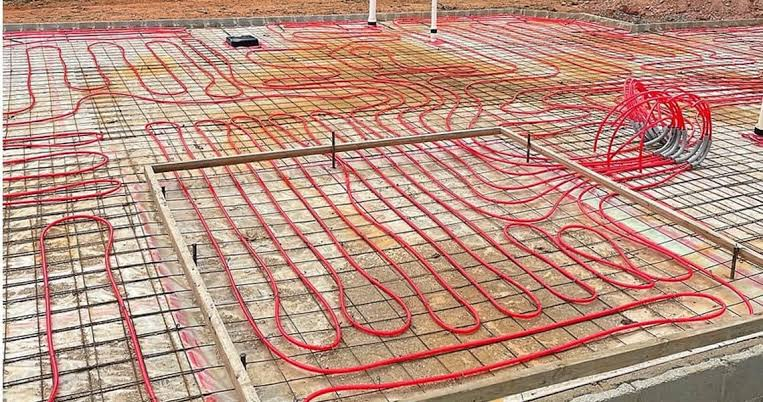
Hydronic systems use heated water circulated through flexible tubing installed beneath the floor. A boiler or water heating system warms the water before it moves through the tubing and transfers heat into the room.
The best system depends on factors such as home size, flooring type, installation requirements, and heating goals.
Choose Electric Radiant Floor Heating for Smaller Areas
Electric radiant floor heating is a popular option for homeowners who want targeted warmth in specific areas of the home. It is especially suitable for remodeling projects because installation is often simpler compared to larger heating systems.
Electric systems typically use thin heating mats or cables installed directly beneath the flooring material. Because they require less structural modification, they are commonly used in bathrooms, kitchens, entryways, and smaller rooms.
Benefits of electric radiant floor heating include:
- Faster installation process
- Lower upfront cost for smaller areas
- Compatibility with many flooring types
- Individual room temperature control
Bathrooms are one of the most common locations for electric radiant heating because warm floors provide extra comfort during cold mornings.
Consider Hydronic Radiant Heating for Whole House Applications
Hydronic radiant floor heating is often preferred for larger residential projects because it can efficiently heat multiple rooms or entire homes.
These systems circulate warm water through a network of tubing installed beneath the floor. Because water transfers heat efficiently, hydronic systems can provide consistent warmth while operating with lower energy consumption over time.
Hydronic systems are commonly installed during new construction or major renovations because the tubing requires more planning and installation work.
Advantages of hydronic radiant heating include:
- Efficient heating for large spaces
- Lower operating costs over time
- Ability to use different energy sources
- Comfortable and even heat distribution
For homeowners planning a complete home heating upgrade, hydronic systems can provide long-term comfort and efficiency.
Select the Right Flooring Material for Radiant Heating
The flooring material plays an important role in how effectively radiant heating performs. Some materials transfer heat better than others, making flooring selection an important part of the planning process.
Tile and stone are among the most effective flooring choices because they conduct and retain heat well. This makes them especially popular for bathrooms and kitchens.
Other flooring materials can also work with radiant systems when properly selected and installed.
Common compatible flooring options include:
- Ceramic tile
- Porcelain tile
- Natural stone
- Engineered wood
- Certain luxury vinyl products
Homeowners should always confirm flooring compatibility before installation because some materials may restrict heat transfer or experience damage from temperature changes.
Improve Comfort With Even Heat Distribution
One of the biggest advantages of radiant floor heating is the consistent warmth it provides. Traditional heating systems often create temperature differences because warm air rises and may not distribute evenly throughout a room.
Radiant heating creates a more balanced temperature by warming the entire floor surface. This reduces cold spots and creates a more comfortable environment.
The benefits of even heat distribution include:
- More comfortable walking surfaces
- Reduced temperature fluctuations
- Better use of living spaces
- Improved overall indoor comfort
This makes radiant heating especially appealing for rooms where people spend significant time on the floor, such as family rooms and bedrooms.
Increase Energy Efficiency With Radiant Heating Systems
Radiant floor heating can improve energy efficiency because it operates differently from many traditional heating systems. Since heat is delivered directly through the floor, homeowners may feel comfortable at lower thermostat settings.
The system reduces heat loss caused by air movement and allows warmth to remain closer to where people actually need it.
Energy efficiency benefits may include:
- Lower heating demand
- Reduced heat loss
- Improved temperature control
- Better comfort with lower settings
The actual energy savings depend on factors such as insulation quality, climate, system design, and usage patterns.
Install Smart Controls for Better Temperature Management
Modern radiant floor heating systems can be combined with smart thermostats and automated controls to improve convenience and efficiency.
Smart controls allow homeowners to adjust temperatures based on schedules, room usage, and personal preferences.
Advanced control features may include:
- Programmable heating schedules
- Remote temperature adjustments
- Room-by-room control
- Energy monitoring
For example, homeowners can schedule bathroom floors to warm up before morning routines while reducing heating during unused hours.
Smart controls help maximize comfort while avoiding unnecessary energy use.
Plan Radiant Heating Installation During Remodeling Projects
The timing of installation is an important consideration when adding radiant floor heating. While some systems can be installed during smaller updates, others require more extensive preparation.
Electric systems are often easier to add during flooring replacements because heating mats can be installed before new flooring is placed.
Hydronic systems usually require more planning because tubing installation may involve changes to subfloors, insulation, and heating equipment.
The best time to install radiant heating is often during:
- New home construction
- Major floor renovations
- Bathroom remodeling
- Complete home upgrades
Proper planning ensures the system integrates smoothly with the home’s design.
Improve Insulation Before Installing Radiant Heating
Proper insulation is essential for achieving the best performance from a radiant floor heating system. Without adequate insulation, heat may escape downward instead of moving efficiently into the room.
Insulation beneath the heating system helps direct warmth upward and improves overall efficiency.
Before installation, homeowners should consider:
- Subfloor insulation
- Moisture protection
- Floor preparation
- Heat distribution requirements
A properly prepared installation area allows the heating system to perform more effectively.
Understand Maintenance Requirements
One advantage of radiant floor heating is that it generally requires less maintenance compared to many traditional heating systems.
Electric systems typically require minimal maintenance because there are fewer mechanical components. Hydronic systems may require occasional inspections of pumps, boilers, and tubing connections.
Regular maintenance helps ensure:
- Reliable operation
- Efficient performance
- Longer system lifespan
Professional inspections can help identify potential issues before they become major problems.
Consider the Long-Term Value of Radiant Heating
Radiant floor heating is not only a comfort upgrade but also a feature that can improve the appeal of a home. Many homeowners appreciate heating systems that provide modern convenience, improved comfort, and efficient operation.
Homes with well-designed heating solutions may become more attractive to buyers who value energy-efficient and comfortable living spaces.
Although installation requires an upfront investment, the long-term benefits can make radiant heating a valuable home improvement choice.
Final Thoughts
Radiant floor heating provides an effective way to create consistent warmth throughout residential rooms while improving comfort and energy efficiency. With options such as electric and hydronic systems, homeowners can choose a solution that matches their space, budget, and heating requirements.
From small bathroom upgrades to complete home heating improvements, radiant floor systems offer a clean and comfortable alternative to traditional heating methods. Proper planning, suitable flooring choices, and smart temperature controls help ensure the system delivers reliable performance for many years.
A warmer floor creates more than physical comfort. It creates a more enjoyable home environment where every room feels inviting, balanced, and comfortable during colder seasons.
Frequently Asked Questions (FAQs)
Is radiant floor heating expensive to install?
The cost depends on the type of system, room size, flooring requirements, and installation complexity. Electric systems are often more affordable for small areas, while hydronic systems are typically better suited for larger projects.
Can radiant floor heating be installed under existing flooring?
Some systems can be installed during flooring replacement projects, but installation depends on the existing floor structure and the type of heating system being used.
Which flooring works best with radiant floor heating?
Tile and stone generally provide the best heat transfer, but certain engineered wood and luxury vinyl products can also work when approved for radiant heating applications.
Does radiant floor heating save energy?
Radiant floor heating can improve efficiency by providing direct heat distribution and reducing temperature fluctuations, although savings depend on system design and home conditions.
How long does a radiant floor heating system last?
A properly installed radiant floor heating system can last for many years. Electric systems often have long lifespans, while hydronic systems require occasional maintenance of mechanical components.