Belts: Different Types, Materials, Fashion Uses, and Styling Techniques
Belts have long been considered one of the most practical and stylish accessories in fashion. While their original purpose was simply to keep clothing in place, belts have evolved into an essential part of personal style. Today, they are used to enhance outfits, define body shape, add contrast, and express individuality. From classic leather dress belts to colorful woven designs and modern statement pieces, there is a belt for every occasion and every wardrobe.
Fashion trends may change from season to season, but belts remain a timeless accessory that never loses relevance. Whether worn with formal trousers, casual jeans, elegant dresses, or oversized blazers, the right belt can transform an ordinary outfit into something polished and memorable.
This guide explores the different types of belts, the materials used to make them, their fashion purposes, and practical styling techniques that help create balanced and attractive outfits.
The History of Belts
Belts have existed for thousands of years. Ancient civilizations used simple strips of leather, cloth, or rope to secure garments and carry small tools or weapons. Over time, belts became symbols of social status, military rank, and wealth.
During the Middle Ages, decorated belts featuring metal buckles and detailed craftsmanship were worn by royalty and nobles. As fashion evolved through the centuries, belts shifted from purely functional accessories to decorative fashion pieces.
Today, belts are available in countless styles, colors, widths, and materials, allowing people to personalize their appearance while maintaining comfort and practicality.
Why Belts Are an Essential Fashion Accessory
Many people underestimate the importance of a belt, yet it performs several valuable functions.
A quality belt can:
- Hold trousers, skirts, or shorts securely.
- Improve the overall fit of clothing.
- Define the waistline.
- Create visual balance.
- Introduce texture or color.
- Add elegance to formal wear.
- Make casual outfits look more refined.
- Reflect personal style.
A carefully selected belt often becomes the finishing touch that completes an outfit.
Different Types of Belts
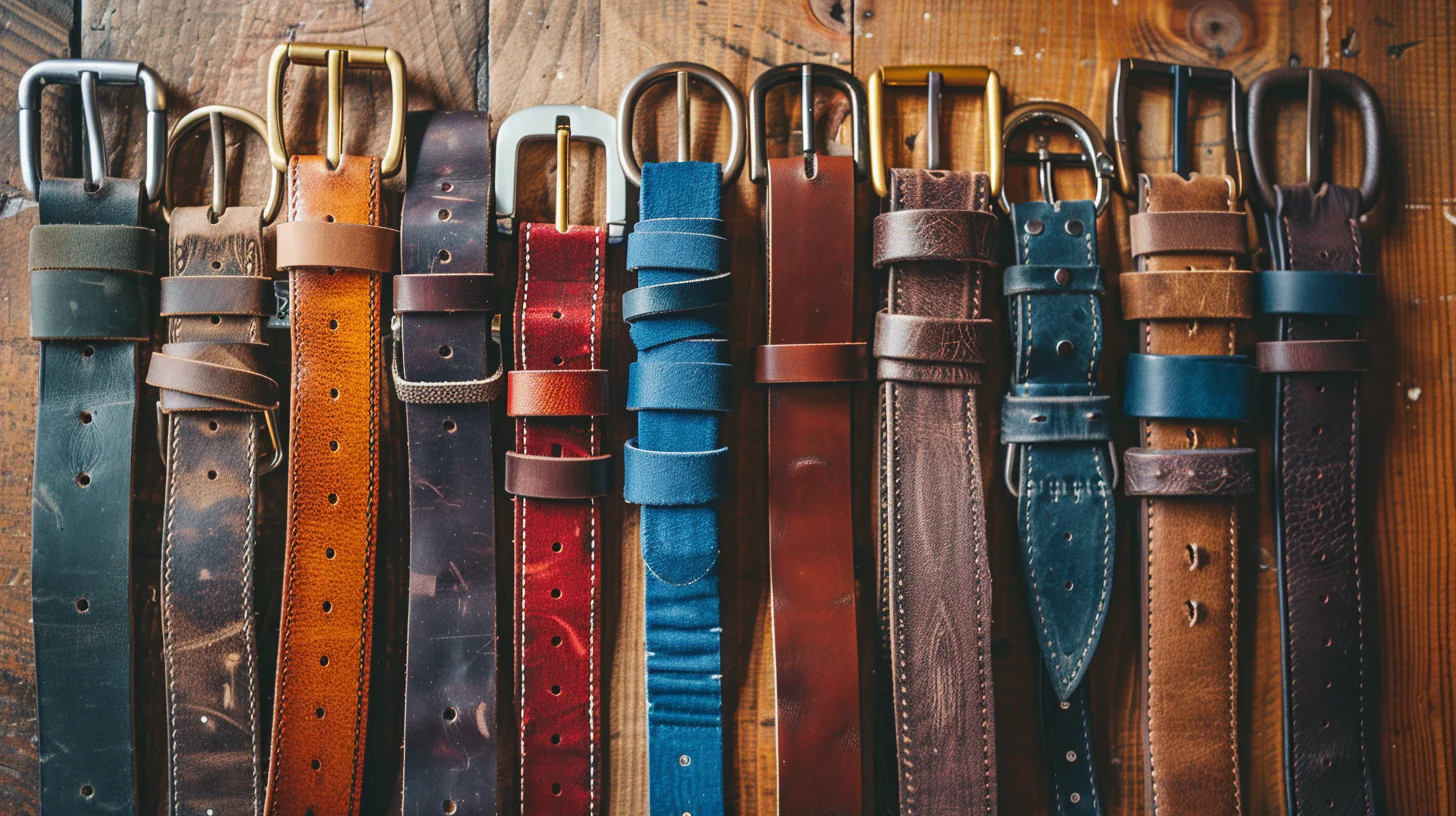
Belts come in many designs, each intended for specific clothing styles and occasions.
Leather Dress Belt
The leather dress belt is the most formal type available. It is usually slim, smooth, and features a simple polished buckle.
These belts are commonly paired with:
- Business suits
- Dress trousers
- Formal shoes
- Office attire
- Wedding outfits
Black and dark brown remain the most versatile colors because they match a wide variety of formal footwear.
Casual Belt
Casual belts are designed for everyday wear. They often feature wider straps, textured finishes, decorative stitching, and larger buckles.
They work well with:
- Jeans
- Chinos
- Cargo pants
- Shorts
- Casual boots
- Sneakers
Unlike dress belts, casual belts offer more freedom in color and design.
Reversible Belt
A reversible belt features two different colors on opposite sides. A rotating buckle allows the wearer to switch between both colors within seconds.
Common combinations include:
- Black and brown
- Navy and black
- Tan and dark brown
These belts are ideal for travelers and professionals who appreciate versatility.
Braided Belt
Braided belts are made from woven leather, fabric, or synthetic fibers.
Their flexible construction provides:
- Adjustable fitting
- Casual elegance
- Comfortable wear
- Textured appearance
Braided belts pair nicely with summer outfits, chinos, linen trousers, and lightweight shirts.
Canvas Belt
Canvas belts are lightweight and durable.
Popular among students, travelers, and outdoor enthusiasts, they are often paired with:
- Denim
- Hiking pants
- Shorts
- Casual wear
Canvas belts usually feature military-inspired buckles and colorful designs.
Fabric Belt
Fabric belts emphasize comfort over structure.
Common examples include:
- Cotton belts
- Linen belts
- Elastic belts
- Woven belts
These belts work particularly well during warm weather and relaxed occasions.
Western Belt
Western belts stand out because of their decorative appearance.
Typical features include:
- Large engraved buckles
- Embossed leather
- Decorative stitching
- Metal studs
- Rustic finishes
These belts complement cowboy boots, denim, and country-inspired fashion.
Corset Belt
Corset belts are designed primarily for fashion rather than functionality.
They are worn around the waist to create a defined silhouette and frequently appear with:
- Dresses
- Long shirts
- Blazers
- Oversized sweaters
Corset belts create dramatic visual impact while emphasizing body proportions.
Chain Belt
Chain belts have become increasingly popular in contemporary fashion.
Available in gold, silver, or mixed metals, they are typically worn over:
- Dresses
- Skirts
- High-waisted trousers
- Evening wear
Their decorative nature makes them statement accessories rather than functional ones.
Utility Belt
Utility belts combine fashion with practicality.
They often include:
- Pouches
- Small compartments
- Adjustable straps
- Durable materials
These belts are commonly seen in outdoor activities, work environments, and streetwear fashion.
Popular Belt Materials
The material significantly influences a belt’s appearance, durability, flexibility, and maintenance requirements.
Genuine Leather
Leather remains the most respected belt material.
Its advantages include:
- Exceptional durability
- Timeless appearance
- Comfortable fit over time
- Professional look
- Long lifespan
Full-grain leather is generally considered the highest-quality option because it ages beautifully and develops a rich natural character.
Faux Leather
Faux leather provides the appearance of genuine leather while being more affordable.
Benefits include:
- Lower cost
- Wide variety of colors
- Easy maintenance
- Animal-free production
Modern faux leather has improved considerably in both appearance and durability.
Suede
Suede offers a soft texture that creates a relaxed yet sophisticated appearance.
Suede belts pair beautifully with:
- Loafers
- Chinos
- Corduroy
- Autumn clothing
Because suede absorbs moisture easily, proper care is essential.
Canvas
Canvas is known for its toughness and lightweight nature.
Canvas belts are ideal for:
- Outdoor adventures
- Casual fashion
- Sportswear
- Travel
They require minimal maintenance and withstand frequent use.
Cotton
Cotton belts provide excellent breathability and comfort.
Their casual style makes them suitable for:
- Summer clothing
- Beachwear
- Vacation outfits
- Weekend fashion
Cotton belts are available in many bright colors and patterns.
Nylon
Nylon belts are extremely strong and resistant to stretching.
They are frequently chosen for:
- Hiking
- Military applications
- Camping
- Tactical gear
- Everyday casual wear
Quick-drying properties also make nylon ideal for outdoor activities.
Elastic Materials
Stretch belts combine comfort with flexibility.
They adapt naturally to body movement and work well with:
- Golf clothing
- Casual pants
- Comfortable travel outfits
Their flexibility makes them popular among people who spend long hours sitting or moving.
I can also provide Part 2 (Fashion Uses, Styling Techniques, Belt Widths, Buckle Types, Matching Rules, Care Tips, Buying Guide, Common Mistakes, Trends, FAQs, and Conclusion) in the same natural, plagiarism-free style.