Modern Rental Solutions for Digital Nomads and Professionals
The way people live and work has changed dramatically over the past decade. Remote work, freelancing, and global mobility have created a new generation of professionals who are no longer tied to a single city or country. These digital nomads and mobile workers need housing solutions that match their flexible lifestyles, allowing them to move freely without sacrificing comfort, convenience, or productivity.
Traditional long-term leases no longer fit this modern way of life. Instead, fully furnished and flexible housing options have emerged as the preferred choice for professionals on the move. At the center of this shift are short term rentals, which provide adaptable living arrangements designed for people who value freedom and mobility.
The Rise of the Digital Nomad Lifestyle
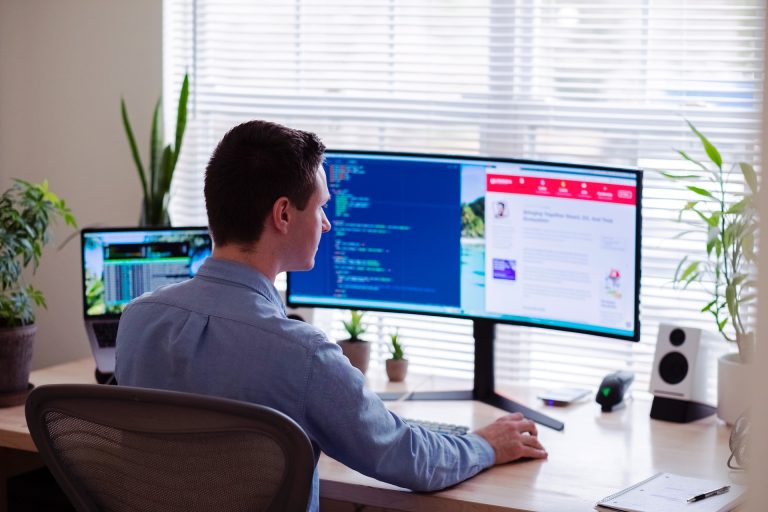
Digital nomads represent a growing global workforce that uses technology to work remotely while traveling or living in different locations. These professionals include software developers, writers, designers, marketers, consultants, and entrepreneurs who rely on internet-based work.
This lifestyle offers freedom from geographic limitations, allowing individuals to explore new cultures, reduce living costs, and design their ideal work-life balance. However, it also creates unique challenges, especially when it comes to finding reliable and comfortable housing in different cities.
As a result, demand for flexible rental solutions has increased significantly across major cities and remote destinations worldwide.
Why Traditional Rentals No Longer Work
Conventional rental agreements often require long-term commitments, security deposits, and extensive paperwork. For someone who moves every few weeks or months, these requirements are impractical and restrictive.
Traditional apartments also require tenants to handle furniture, utilities, internet setup, and maintenance, which can be time-consuming and expensive. For digital nomads who prioritize mobility, these barriers make long-term leases an unsuitable option.
Modern rental solutions have evolved to eliminate these challenges by offering fully managed, ready-to-move-in spaces that support flexible living.
What Modern Rental Solutions Offer
Modern rental solutions are designed to meet the needs of mobile professionals. These accommodations are typically fully furnished and include essential services such as utilities, high-speed internet, cleaning, and maintenance support.
The goal is to provide a seamless living experience where tenants can focus on work and lifestyle rather than logistics. Everything is ready from day one, allowing for immediate occupancy without setup delays.
This convenience is one of the main reasons why short term rentals have become so popular among remote workers and traveling professionals.
Flexibility as a Core Advantage
Flexibility is the most important feature of modern rental solutions. Unlike traditional leases, which lock tenants into fixed contracts, flexible rentals allow individuals to stay for days, weeks, or months depending on their needs.
This adaptability is essential for professionals who frequently travel for work or choose to live in different cities throughout the year. It also allows individuals to test new locations before committing to a longer stay.
The ability to scale living arrangements based on personal and professional requirements is a key advantage of modern rental models.
Fully Furnished and Ready-to-Live Spaces
One of the defining features of modern rental solutions is that they are fully furnished and move-in ready. This eliminates the need to purchase furniture, set up utilities, or deal with installation services.
Apartments are typically equipped with essential items such as beds, sofas, kitchen appliances, workspaces, and storage solutions. Many also include additional services like cleaning and concierge support.
This all-in-one approach makes relocation simple and stress-free, especially for professionals who value efficiency and time savings.
The Role of Short Term Rentals in Global Mobility
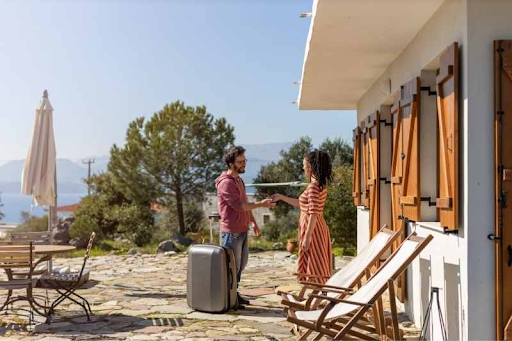
Short term rentals have become a cornerstone of global mobility. They allow individuals to live in different cities without long-term commitments, making it easier to pursue international work opportunities and travel experiences.
These rentals are especially popular in major business hubs, startup ecosystems, and remote-friendly destinations. Cities such as Dubai, London, Singapore, and Lisbon have seen a significant rise in demand for flexible housing solutions.
For digital nomads, short term rentals provide the perfect balance between comfort and adaptability, offering a home-like environment with the freedom to move whenever needed.
Benefits for Remote Workers and Freelancers
Remote workers and freelancers benefit greatly from modern rental solutions. A stable and comfortable living environment is essential for productivity, especially when working across different time zones or managing multiple clients.
Fully equipped rentals provide dedicated workspaces, reliable internet connections, and quiet environments that support focus and efficiency. This allows professionals to maintain high productivity levels regardless of location.
Additionally, the flexibility to change locations helps prevent burnout and encourages creativity by exposing individuals to new environments and cultures.
Cost Efficiency and Financial Flexibility
Modern rental solutions can also be financially efficient for digital nomads. Instead of investing in furniture, utilities, and long-term contracts, professionals can pay for what they actually need based on their stay duration.
This pay-as-you-go model helps reduce upfront costs and provides better financial control. It also eliminates unexpected expenses related to maintenance or setup.
For many remote workers, this flexibility is more valuable than traditional rental savings, especially when combined with the ability to move freely between cities.
Technology Driving Modern Rental Platforms
Technology plays a major role in enabling modern rental solutions. Online platforms allow users to search, compare, and book properties instantly from anywhere in the world.
Features such as virtual tours, digital contracts, and secure payment systems have simplified the entire rental process. Artificial intelligence is also being used to match tenants with properties based on preferences such as budget, location, and amenities.
These innovations make short term rentals more accessible and user-friendly than ever before.
Challenges in Flexible Housing Models
Despite their benefits, modern rental solutions also come with challenges. Availability can vary depending on location, especially in high-demand cities where flexible housing is limited.
Pricing can also fluctuate based on seasonality and demand, making budgeting more complex for long-term planning. Additionally, quality standards may differ between providers, requiring careful selection by tenants.
However, as the market continues to grow, these challenges are being addressed through improved regulation and standardized service offerings.
The Future of Digital Nomad Housing
The future of housing for digital nomads is expected to become even more flexible, technology-driven, and globally integrated. Smart rental platforms will likely offer more personalized recommendations, automated booking systems, and AI-driven pricing models.
We can also expect to see more co-living spaces designed specifically for remote professionals, combining private apartments with shared workspaces and community environments.
Sustainability will also become a key focus, with eco-friendly buildings and energy-efficient designs playing a larger role in modern rental developments.
Final Thoughts
Modern rental solutions have completely transformed the way digital nomads and professionals approach housing. By offering flexibility, convenience, and fully furnished living spaces, they support a lifestyle built around mobility and freedom.
The growing popularity of short term rentals reflects a global shift toward more adaptable and efficient living arrangements. These solutions allow individuals to focus on their careers, travel experiences, and personal growth without being tied to long-term housing commitments.
As remote work continues to expand worldwide, flexible rental models will play an even more important role in shaping the future of global living, making it easier than ever for professionals to live and work from anywhere in the world.